SEMANTIC TOOLS FOR CARBON REDUCTION IN URBAN PLANNINGCo-funded by the European Commission within the 7th Framework ProgrammePlatformThe SEMANCO integrated platform provides access to widely dispersed energy relateddata about cities stored by many different organisations. In this way the project platformsupports improved energy analysis based on the assessment of existing data ratherthan estimates. It does this using semantic data modelling that enables information stored in differentformats and different places to be used to create a multi-level energy model of anurban area. That can be used to analyse the energy performance of buildings,neighbourhoods, districts and regions.ToolsBenefitsManresa, SpainSome of the most relevant technological outputs of the projectIntegrated platformDeliverablesPublicationsWikiCase studiesOntology editorOntology mapping toolNewcastle, United kingdomCopenhagen, DenmarkVisit the blogThe SEMANCO integrated platform has been developed for three cases of study. The data available in each area has been integrated using semantic technologies. Demonstration scenarios have been implemented in three cycles to test the functionalities of the platform's tools. The project activities at each case study are reported in the blogs.Project OutputsRecent news & eventsSEMANCO will be present at the 6th ECTP Conference in Brussels2nd June 2014SEMANCO will present a poster at the 6th European Construction Technology Platform conference that willtake place in Brussels, from 17th to 19th June 2014.SEMANCO in Manresa local news2nd June 2014The local newspaper Regio7 from Manresa has informed about the workshop “Ciutat i Energia” organizedby FORUM in Manresa on May 29th 2014.OntologyData structuring for the ontological modelling of urban energy systems: The experience of the SEMANCO project 20th October 2014The article, titled "Data structuring for the ontological modelling of urban energy systems: The experienceof the SEMANCO project", will be published in "Sustainable Cities and Society". This article presents themethodology used to set up a vocabulary based on existing technical standards and structured in EnergyStandard Tables, which constitute the base of the formally specified SEMANCO ontology.Newsletter n.6 has been published29th October 2014This Newsletter features:•Energy services web-portal•Finalisation of the SEMANCO platform•Dissemination and exploitation activities•Publications•Smart City Expo World CongressTo find out more read it here.Smart City Expo World Congress16-18th November 2014SEMANCO will be present in the Smart City Expo World Congress that will take place in Barcelona, 16-18November 2014. Newsletter n.7 has been publishedJanuary 2015This Newsletter features:•EECITIES energy services provider•Open Source Outputs•Publications•Presentations•ContactTo find out more read it here.EECITIES energy service providerWorkshopsSEMANCO ENDS / EECITIES STARTSMarch 2015After more than three years of continuous and intensive work, the SEMANCO project has beensuccessfully completed in February 2015. The project results have received the final qualification of“excellent” by the experts’ committee of the FP7 programme, as a recognition to “a research project thathas fully achieved its objectives and technical goals and has even exceeded expectations”. Theexploitation of the technologies developed by SEMANCO continues with the platform EECITIES.
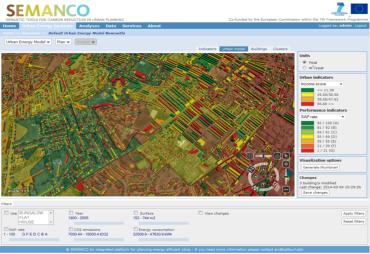
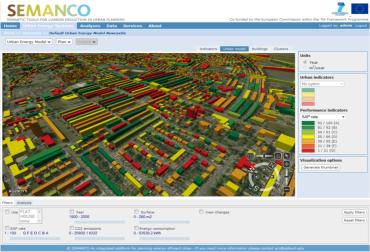
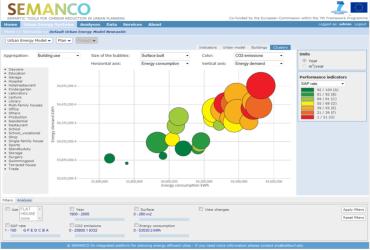
The SEMANCO platform includes a set of tools to visualise and analyse a city's energydata. The visualisation tools combine interactive 3d models, tables and diagrams todisplay energy related data. The analysis tools use data mining techniques to enable consultants, policy makers and planners to calculate energy performance indicators. These tools can be used tosupport informed public dialogues and decision making, based on a detailed analysis of many different possible options.
The open structure of the SEMANCO platform enables a city's energy model to beenhanced when new tools and/or data. This data may be generated by the platformtools or come from external data sources. For a given energy model, users can define their own key performance indicators. Thiscombined with the open structure of the platform, offers the potential to adapt theservices that provides to the needs of many clients, such as municipalities and cityauthorities, public and private development companies, financing institutions, public and private real estate companies, national and regional energy authorities, energyconsultants and even national and European policy makers.
 SEMANTIC TOOLS FOR CARBON REDUCTION IN URBAN PLANNING
 Co-funded by the European Commission within the 7th Framework Programme

 Platform
The SEMANCO integrated platform provides access to widely dispersed energy related
Platform
The SEMANCO integrated platform provides access to widely dispersed energy related data about cities stored by many different organisations. In this way the project platform



 Tools
Tools

 Benefits




 Manresa, Spain
 Some of the most relevant technological
outputs of the project
Integrated platform
Some of the most relevant technological
outputs of the project
Integrated platform
 Deliverables
 Publications
 Wiki
Wiki
 Case studies
 Ontology editor

 Newcastle, United kingdom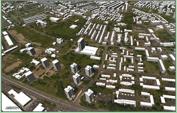
 Copenhagen, Denmark
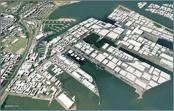 Visit the blog
 The SEMANCO integrated platform has been developed for three cases of study. The data available in each area has been integrated using semantic
technologies. Demonstration scenarios have been implemented in three cycles to test the functionalities of the platform's tools. The project activities at
each case study are reported in the blogs.
Project Outputs
The SEMANCO integrated platform has been developed for three cases of study. The data available in each area has been integrated using semantic
technologies. Demonstration scenarios have been implemented in three cycles to test the functionalities of the platform's tools. The project activities at
each case study are reported in the blogs.
Project Outputs






 Recent news & events


 SEMANCO will be present at the 6th ECTP Conference in Brussels
 2nd June 2014
SEMANCO will present a poster at the 6th European Construction Technology Platform conference that will
2nd June 2014
SEMANCO will present a poster at the 6th European Construction Technology Platform conference that will SEMANCO in Manresa local news
2nd June 2014
The local newspaper Regio7 from Manresa has informed about the workshop “Ciutat i Energia” organized
SEMANCO in Manresa local news
2nd June 2014
The local newspaper Regio7 from Manresa has informed about the workshop “Ciutat i Energia” organized Ontology
Data structuring for the ontological modelling of urban energy systems: The
experience of the SEMANCO project
20th October 2014
The article, titled "Data structuring for the ontological modelling of urban energy systems: The experience
Ontology
Data structuring for the ontological modelling of urban energy systems: The
experience of the SEMANCO project
20th October 2014
The article, titled "Data structuring for the ontological modelling of urban energy systems: The experience
 Newsletter n.6 has been published
29th October 2014
This Newsletter features:
•
Energy services web-portal
Newsletter n.6 has been published
29th October 2014
This Newsletter features:
•
Energy services web-portal
 Newsletter n.7 has been published
January 2015
This Newsletter features:
•
EECITIES energy services provider
Newsletter n.7 has been published
January 2015
This Newsletter features:
•
EECITIES energy services provider